
Secure remote access for cloud computing is crucial in today’s interconnected world. This guide provides a comprehensive overview of the essential aspects, from fundamental concepts to practical applications, ensuring secure and reliable access to cloud resources.
This exploration delves into the various security protocols, technologies, and best practices employed to safeguard data and maintain confidentiality while enabling remote access. Understanding these critical components is essential for organizations looking to optimize their cloud infrastructure and mitigate potential security risks.
Dear esteemed colleagues,Please find below a comprehensive article on a fascinating topic. I trust you will find it insightful and engaging.
The global population continues to surge, placing immense pressure on our agricultural systems. To meet this escalating demand for food while simultaneously safeguarding the environment, a delicate balance must be struck between innovation and sustainability. This article delves into the crucial interplay of these two forces, exploring the cutting-edge technologies and practices reshaping modern agriculture.
Precision Agriculture: A Data-Driven Approach
Precision agriculture, leveraging technology like GPS, sensors, and data analytics, is revolutionizing farming practices. By meticulously monitoring soil conditions, crop health, and weather patterns, farmers can optimize resource utilization. This data-driven approach minimizes waste, reduces pesticide and fertilizer use, and enhances yields, leading to a more sustainable agricultural landscape. For example, variable rate application of fertilizer can target specific areas needing nutrients, minimizing excess application and protecting water resources.
Vertical Farming: Growing Food in Novel Spaces
Vertical farming, a revolutionary approach to food production, utilizes stacked layers of crops grown indoors under controlled environmental conditions. This method dramatically reduces land use, minimizes water consumption, and allows for year-round harvests, regardless of climate conditions. While still a relatively nascent industry, vertical farming is demonstrating significant potential in urban areas, offering solutions to food security and local sourcing challenges.
However, energy consumption and the cost of initial infrastructure remain key considerations.
Gene Editing and Crop Improvement: Enhancing Resilience and Yield
Advancements in gene editing technologies, such as CRISPR-Cas9, are providing new avenues for crop improvement. Scientists are using these tools to develop crops that are more resistant to pests, diseases, and environmental stresses, leading to higher yields and enhanced nutritional value. However, ethical considerations and potential unintended consequences must be carefully assessed and mitigated through robust regulatory frameworks.
Sustainable Practices: Embracing Ecological Principles
Beyond technological innovations, sustainable agricultural practices are equally critical. These practices encompass techniques such as agroforestry, crop rotation, and integrated pest management, all designed to minimize environmental impact and enhance biodiversity. These methods foster healthier soil, reduce reliance on synthetic inputs, and create resilient ecosystems, contributing to long-term agricultural sustainability.
The Role of Technology in Enhancing Efficiency and Reducing Waste
Modern technology plays a pivotal role in optimizing agricultural processes and reducing waste. From automated harvesting systems to precision irrigation techniques, these advancements increase efficiency and minimize resource depletion. Smart farm management systems collect and analyze data, allowing for proactive decision-making and real-time adjustments to optimize production and minimize waste.
Addressing the Challenges: A Holistic Approach
While the innovations discussed hold significant promise, challenges remain. These include the high initial investment costs associated with adopting new technologies, the need for skilled labor to manage and maintain these systems, and the potential for unintended ecological consequences. Addressing these challenges requires a multi-faceted approach involving government support, research funding, and public-private partnerships.
The Future of Agriculture: A Partnership for Progress
The future of agriculture hinges on a collaborative effort between farmers, researchers, policymakers, and consumers. By embracing innovation, fostering sustainability, and addressing the associated challenges, we can ensure a resilient and productive agricultural system that nourishes future generations while safeguarding our planet. This necessitates continued investment in research, education, and infrastructure to enable widespread adoption of sustainable practices.
Conclusion
The intricate dance of innovation and sustainability in modern agriculture is a testament to human ingenuity and our responsibility to future generations. By embracing technological advancements and implementing sustainable practices, we can pave the way for a more resilient, productive, and environmentally conscious food system.
Question & Answer Hub
What are the most common security threats to cloud remote access?
Common threats include unauthorized access attempts, phishing attacks, malware infections, and weak authentication methods. Implementing multi-factor authentication and strong passwords are crucial in mitigating these risks.
What are the key differences between VPN and SSH for secure remote access?
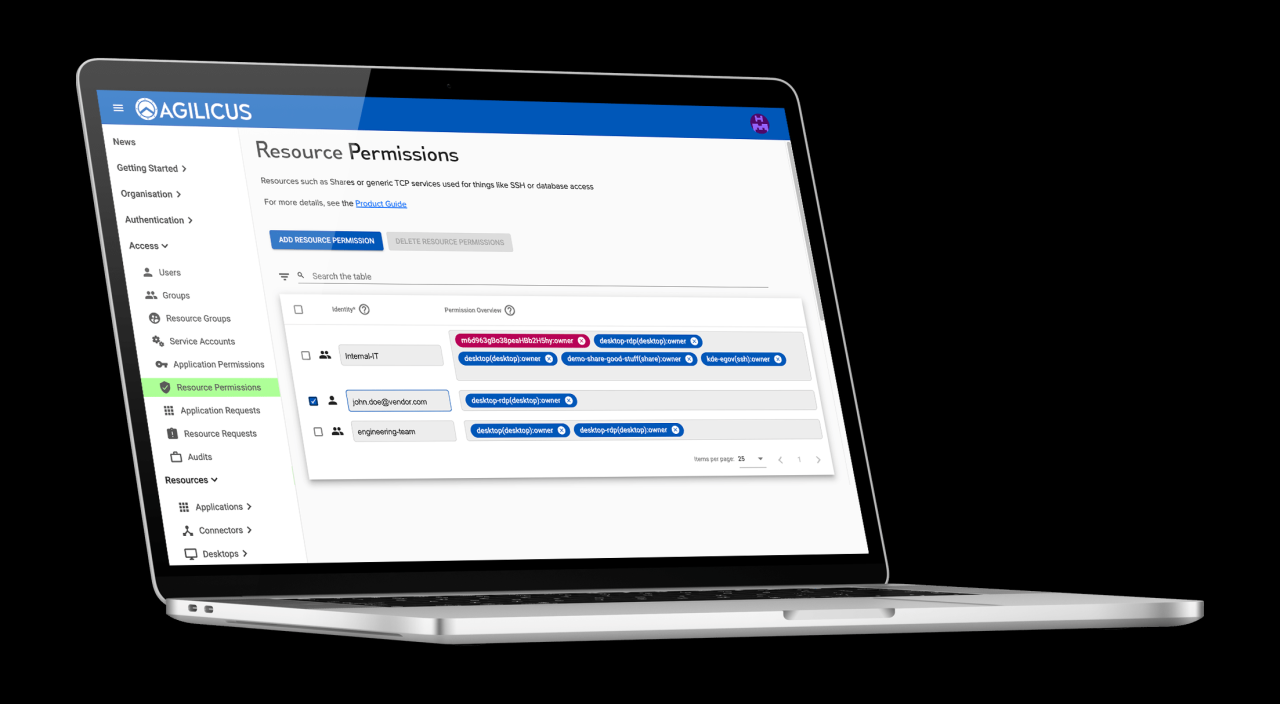
VPNs provide a secure encrypted connection for all network traffic, while SSH secures only the specific connection to the remote server. VPNs are suitable for general remote access, while SSH is often preferred for command-line access to servers.
How can I ensure the compliance of my cloud remote access solution with industry regulations?
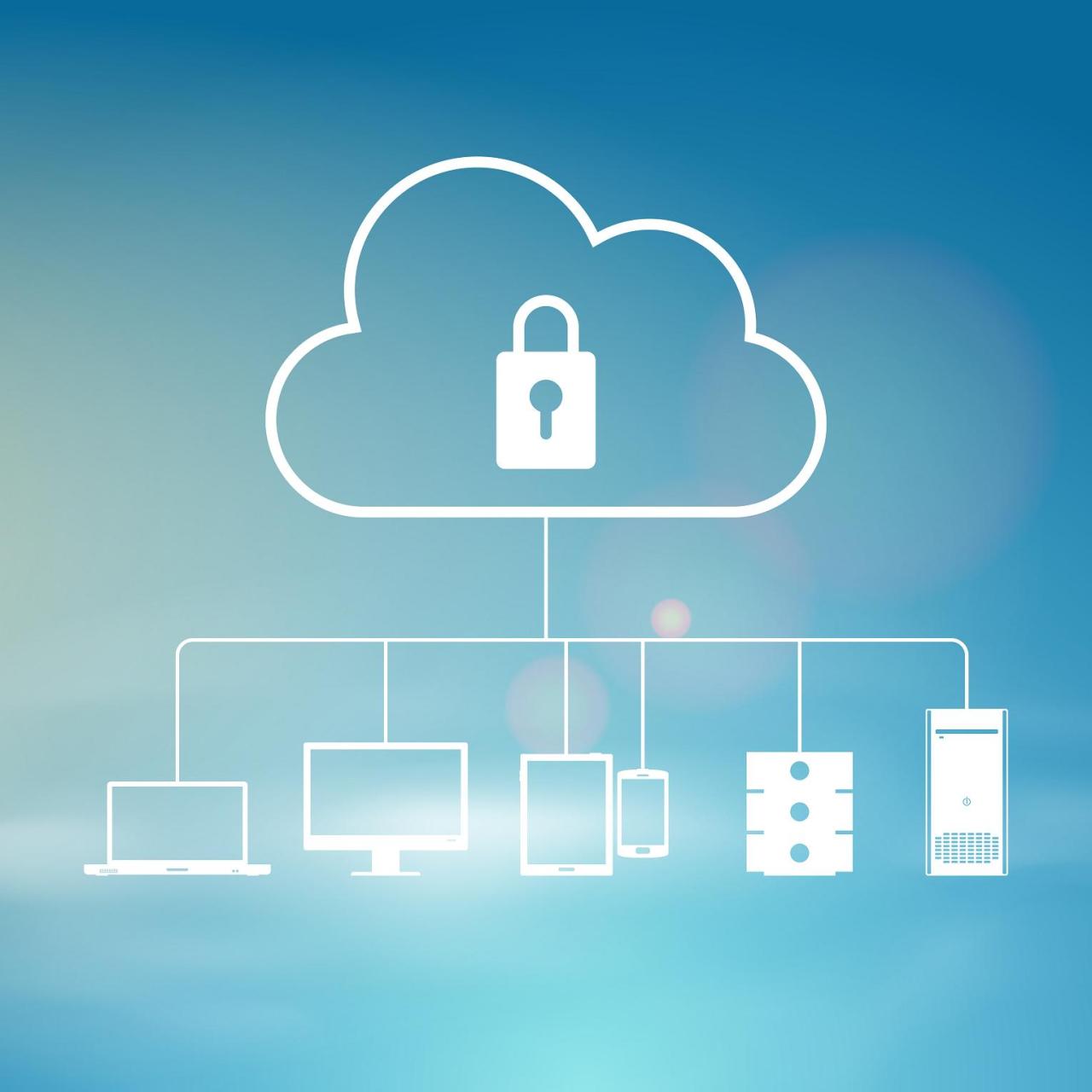
Adhering to relevant regulations like GDPR, HIPAA, or PCI DSS requires careful consideration of data encryption, access controls, and audit trails. Consult with legal and compliance professionals to ensure your solution meets these standards.
What are the best practices for choosing a secure remote access solution for cloud environments?
Factors to consider include the security protocols supported, the level of encryption, the ease of management, and the scalability of the solution. Thorough research and evaluation of different providers are crucial.