
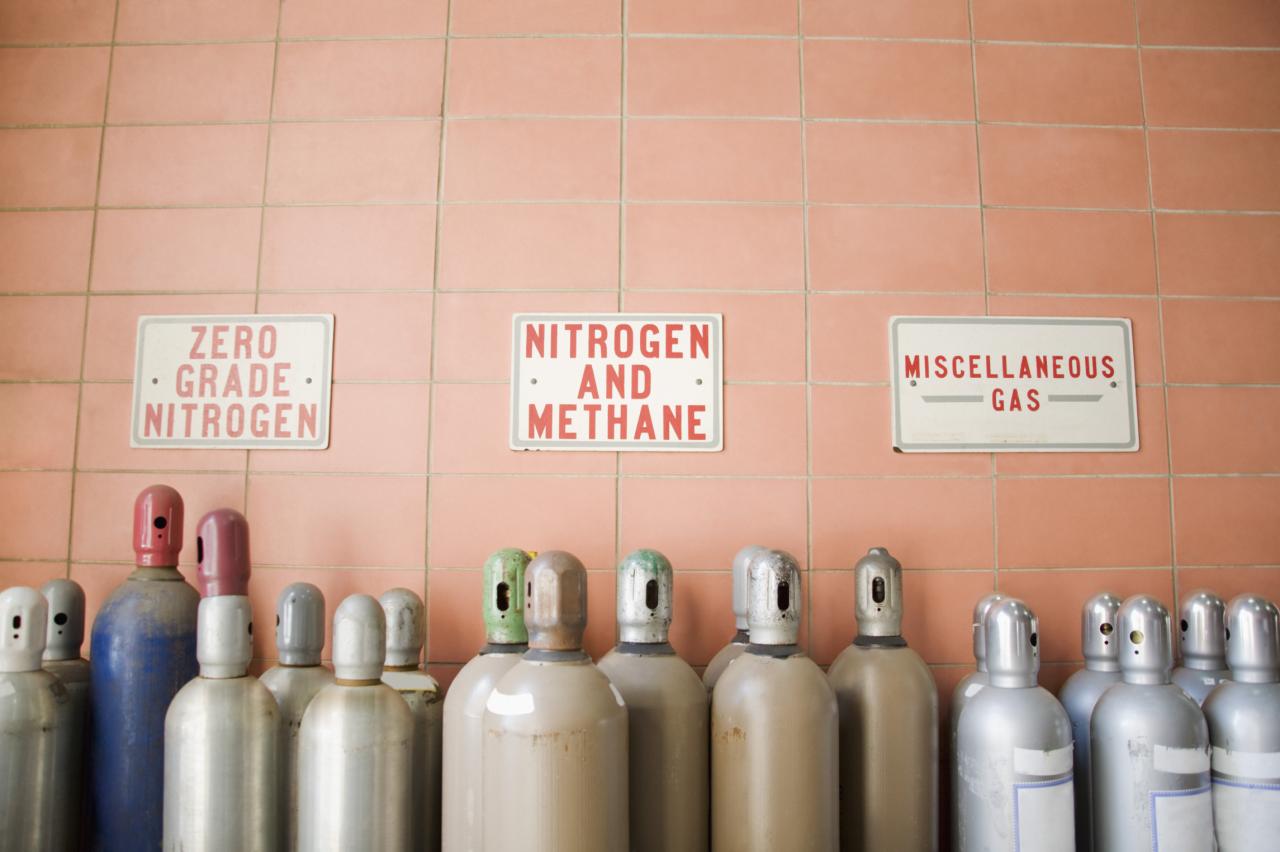
With osha compressed gas storage at the forefront, this topic addresses a critical aspect of workplace safety and compliance. The Occupational Safety and Health Administration (OSHA) has set forth guidelines to ensure the safe handling and storage of compressed gases, which, when ignored, can lead to hazardous situations. Understanding these regulations not only safeguards employees but also enhances operational efficiency in various industries.
In this discussion, we will explore the significance of OSHA’s standards for compressed gas storage, examine key regulations, and consider best practices for maintaining safety in environments where these gases are utilized. By adhering to these guidelines, organizations can minimize risks and foster a culture of safety that benefits everyone.
In today’s fast-paced world, the concept of sustainability has become an integral aspect of our daily lives, influencing how individuals and organizations approach their practices and decisions. Sustainability refers to the ability to maintain or improve certain processes or states without depleting resources or harming ecological systems. This article delves into the significance of sustainability, its implications for the environment, economy, and society, as well as the various ways individuals and organizations can contribute to creating a sustainable future.Sustainability is often encapsulated in three primary pillars: environmental, economic, and social.
The environmental pillar emphasizes the necessity of protecting our planet’s resources, ensuring that natural ecosystems are preserved for future generations. This involves responsible consumption, efficient use of resources, and minimizing waste and pollution. The economic pillar revolves around promoting practices that allow for long-term economic growth without compromising environmental integrity. Lastly, the social pillar underscores the importance of equity, inclusivity, and community well-being in the pursuit of sustainability.The environmental implications of neglecting sustainability are stark.
Climate change, driven primarily by human activities such as fossil fuel consumption and deforestation, has led to an array of detrimental effects, including extreme weather events, rising sea levels, and biodiversity loss. These changes not only threaten natural ecosystems but also have far-reaching consequences for human health and livelihoods. For instance, communities that depend on agriculture may find their crops increasingly vulnerable to erratic weather patterns, resulting in food insecurity and economic instability.To combat these environmental challenges, many individuals and organizations are adopting sustainable practices.
One significant approach is the transition to renewable energy sources such as solar, wind, and hydroelectric power. By reducing reliance on fossil fuels, we can decrease greenhouse gas emissions and mitigate climate change. Furthermore, innovations in energy efficiency, such as improved insulation and smart technologies, can reduce energy consumption and promote sustainability in both residential and commercial settings.Another vital aspect of sustainability is waste management.
The linear model of “take, make, dispose” has led to immense waste generation and environmental degradation. In contrast, the circular economy promotes reusing, recycling, and repairing products, thereby extending their life cycle and reducing the demand for raw materials. Individuals can contribute to this effort by adopting practices such as composting organic waste, recycling materials whenever possible, and supporting businesses that prioritize sustainable packaging and products.Sustainable agriculture is also gaining traction as a method to enhance food security while protecting the environment.
Techniques such as permaculture, agroecology, and organic farming focus on maintaining soil health, conserving water, and promoting biodiversity. These practices not only yield nutritious food but also minimize the dependency on chemical fertilizers and pesticides, which can harm ecosystems and human health.On the economic front, the push for sustainability is reshaping markets and industries. Corporations are increasingly recognizing the value of sustainable practices, not just for environmental reasons but also as a means to drive profitability and enhance brand loyalty.
Businesses that prioritize sustainability may find themselves at a competitive advantage, as consumers are becoming more conscious of their purchasing decisions and are inclined to support brands that align with their values.Investment in sustainable technologies presents a promising avenue for economic growth. Innovations in clean technology, such as electric vehicles and energy-efficient appliances, are creating new markets and job opportunities.
Additionally, governments and organizations are beginning to implement policies that incentivize sustainable practices, further propelling the growth of green jobs and industries.Social equity is a critical component of sustainability. It is essential to ensure that the benefits of sustainable development are shared equitably across all segments of society. Marginalized communities often bear the brunt of environmental degradation and climate change impacts, making it imperative that sustainability efforts incorporate social justice principles.
By prioritizing the needs and voices of vulnerable populations, we can create more inclusive policies and practices that foster resilience and empowerment.Education and awareness play a pivotal role in promoting sustainability. By equipping individuals with knowledge about environmental issues and sustainable practices, we can foster a culture of responsibility and stewardship. Educational institutions, community organizations, and social media platforms serve as vital avenues for spreading awareness and mobilizing action.
Workshops, campaigns, and collaborative initiatives can engage individuals and communities in sustainability efforts, encouraging them to adopt practices that contribute to a healthier planet.In conclusion, sustainability is a multifaceted challenge that requires the collective efforts of individuals, businesses, and governments. By recognizing the interconnections between the environment, economy, and society, we can develop holistic approaches that foster resilience and sustainability.
Each one of us has a role to play, whether it be through adopting sustainable practices in our daily lives, supporting policies that promote environmental protection, or advocating for social equity. The path to a sustainable future is not only necessary but also achievable, and it begins with the choices we make today. Through collaboration, innovation, and a commitment to sustainability, we can ensure a thriving planet for generations to come.
Detailed FAQs
What types of compressed gases are regulated by OSHA?
OSHA regulates a variety of compressed gases, including flammable, toxic, and inert gases, among others.
What are the storage requirements for compressed gases?

Compressed gases must be stored in designated areas, away from heat sources, and in cylinders that are properly secured and labeled.
How often should compressed gas storage areas be inspected?
Regular inspections of compressed gas storage areas should be conducted at least quarterly to ensure compliance and safety.
What personal protective equipment (PPE) is recommended when handling compressed gases?
Recommended PPE includes safety goggles, gloves, and appropriate clothing to protect against potential leaks or exposures.
What should be done in case of a compressed gas leak?

In the event of a leak, evacuate the area immediately, alert others, and contact emergency services to handle the situation safely.


