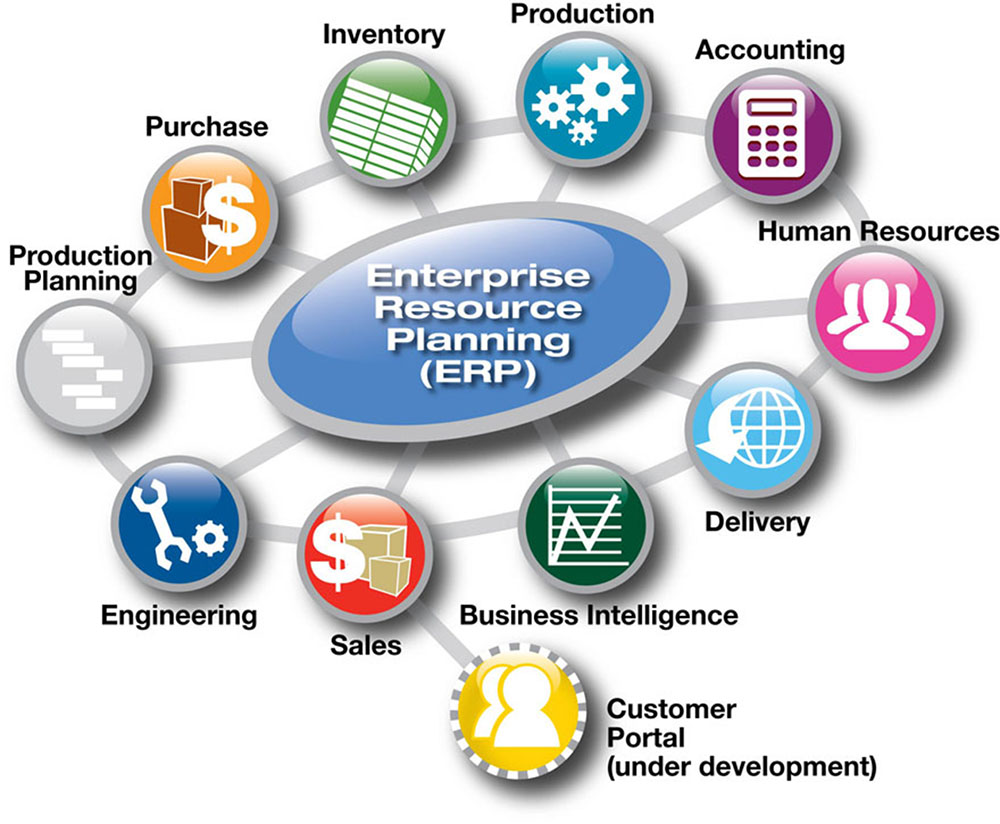
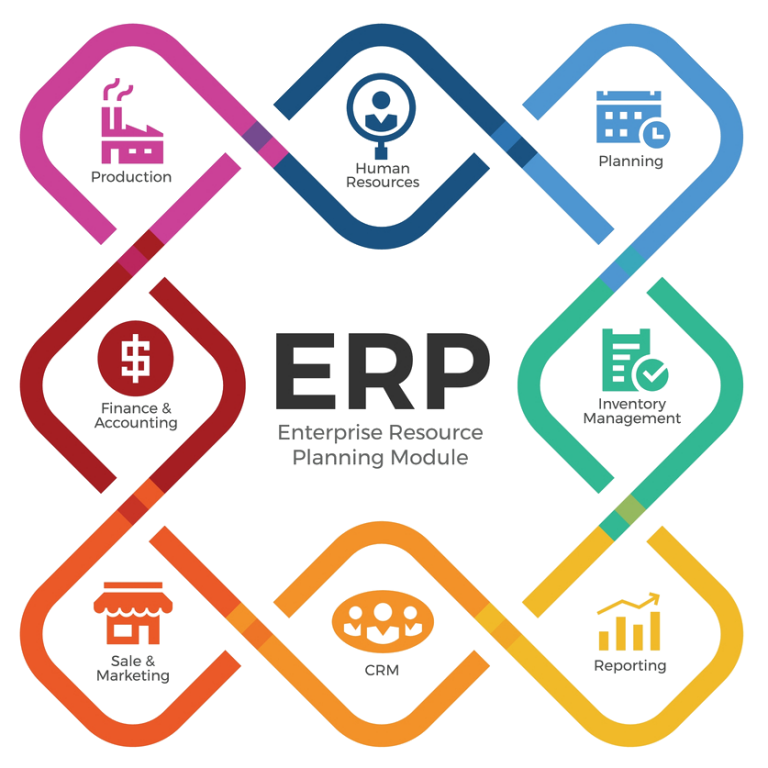
Enterprise resources planning system manager establishes a vital framework for organizations to streamline their operations and resource management efficiently. In today’s fast-paced business environment, the integration of various functions such as finance, HR, production, and supply chain is essential for achieving strategic goals and enhancing productivity. This narrative delves into the significance of an enterprise resources planning system manager, illustrating its role as a cornerstone for operational excellence.
The implementation of an enterprise resources planning system facilitates real-time data access and analytics, enabling informed decision-making across all levels of the organization. By leveraging a centralized system, businesses can enhance collaboration, reduce redundancies, and ultimately drive innovation and growth. This discussion will explore the intricacies of this role, from its impact on departmental synergy to the technological advancements that are reshaping the landscape of resource management.
In an era marked by rapid technological advancements and an increasing emphasis on connectivity, the significance of digital communication cannot be overstated. From the early days of email to the contemporary world of instant messaging and video conferencing, the landscape of communication has undergone profound transformations. This article aims to explore the evolution of digital communication, its current trends, and the implications it holds for the future.The journey of digital communication began in the 1960s with the development of ARPANET, the precursor to the modern Internet.
This groundbreaking innovation allowed researchers to share information in ways previously unimaginable. As technology advanced, the introduction of email in the 1970s revolutionized communication by enabling users to send messages across vast distances almost instantaneously. The convenience of email quickly gained traction, laying the groundwork for the explosion of digital communication tools that followed.By the 1990s, the Internet had become more accessible to the general public, and with it came the rise of instant messaging (IM) platforms such as ICQ and AOL Instant Messenger.
These platforms introduced real-time communication, allowing users to engage in conversations with friends and family almost as if they were face-to-face. The proliferation of chat rooms further fostered a sense of community and connectivity among users, breaking geographical barriers and creating virtual spaces for social interaction.As the new millennium approached, social media emerged as a powerful force in digital communication.
Platforms like Facebook, Twitter, and LinkedIn changed the landscape by enabling users to share thoughts, experiences, and professional achievements with a broader audience. The interactive nature of social media facilitated two-way communication, allowing individuals to connect not only with friends but also with brands, influencers, and political figures. This shift towards engagement transformed how information was disseminated and received, resulting in a more informed and connected society.Today, digital communication has reached unprecedented levels of sophistication.
The rise of mobile technology has made communication tools accessible at any time and place, with smartphones functioning as hubs for various communication applications. Messaging apps like WhatsApp, Telegram, and Signal have gained popularity, offering users not only text messaging but also voice and video calls, file sharing, and group chats. These apps emphasize convenience and immediacy, catering to the fast-paced nature of modern life.Video conferencing has also seen a significant surge in usage, particularly in response to the global pandemic in 2020.
Platforms such as Zoom, Microsoft Teams, and Google Meet became essential for businesses, educators, and families striving to maintain connections during periods of physical separation. The ability to conduct meetings, classes, and social gatherings virtually has redefined the workplace and educational environments, demonstrating that collaboration and learning can transcend physical spaces.As we embrace the benefits of digital communication, it is crucial to acknowledge the challenges that accompany this rapid evolution.
The digital divide remains a pressing issue, as not everyone has equal access to technology and the Internet. This disparity can exacerbate existing inequalities, limiting opportunities for individuals in underserved communities. Efforts to bridge this gap are essential to ensure that everyone can participate in the digital conversation.Moreover, concerns surrounding privacy and security have become increasingly pertinent. With the vast amount of personal information shared online, users must navigate the complexities of data protection.
Cybersecurity threats, such as hacking and identity theft, pose risks that can compromise not only individual privacy but also organizational integrity. As such, developing robust security measures and raising awareness about safe online practices are essential steps in safeguarding digital communication.Looking ahead, the future of digital communication is poised for further transformation. The integration of artificial intelligence (AI) and machine learning will likely enhance communication tools, making them more intuitive and personalized.
For instance, AI-driven chatbots are already being employed in customer service, providing instantaneous responses to inquiries and streamlining user experiences. As technology continues to evolve, we can anticipate even more innovative applications that will shape how we connect and communicate.Additionally, the rise of virtual and augmented reality (VR and AR) holds exciting prospects for digital communication. These technologies have the potential to create immersive experiences that redefine virtual interactions.
Imagine attending a conference in a virtual environment where participants can engage with one another as if they were physically present. This level of interaction could revolutionize business meetings, educational experiences, and social gatherings, making them more engaging and impactful.In conclusion, digital communication has come a long way since its inception, evolving into a multifaceted and dynamic component of our daily lives.
From the early days of email to the contemporary landscape of instant messaging and video conferencing, the journey has been marked by innovation and adaptation. While challenges such as the digital divide and privacy concerns persist, the future holds exciting possibilities with the integration of AI, VR, and AR technologies. As we continue to navigate this ever-changing landscape, it is essential to embrace the opportunities and responsibilities that come with digital communication, fostering a more connected and informed global community.

Popular Questions
What is an enterprise resources planning system manager?
An enterprise resources planning system manager is a professional responsible for overseeing the implementation, management, and optimization of ERP systems within an organization.
Why is an ERP system important for businesses?
An ERP system is crucial as it integrates various business processes, enabling better data flow, improved collaboration, and enhanced decision-making.
How does technology impact ERP systems?
Technology enhances ERP systems through automation, real-time analytics, and machine learning capabilities, which streamline operations and improve efficiency.
What challenges do ERP system managers face?
Challenges include data integration issues, user adoption resistance, and the need for continuous updates and customizations to meet evolving business needs.
How can businesses ensure successful ERP implementation?
Success can be achieved by conducting thorough planning, engaging stakeholders, providing adequate training, and continually assessing system performance.