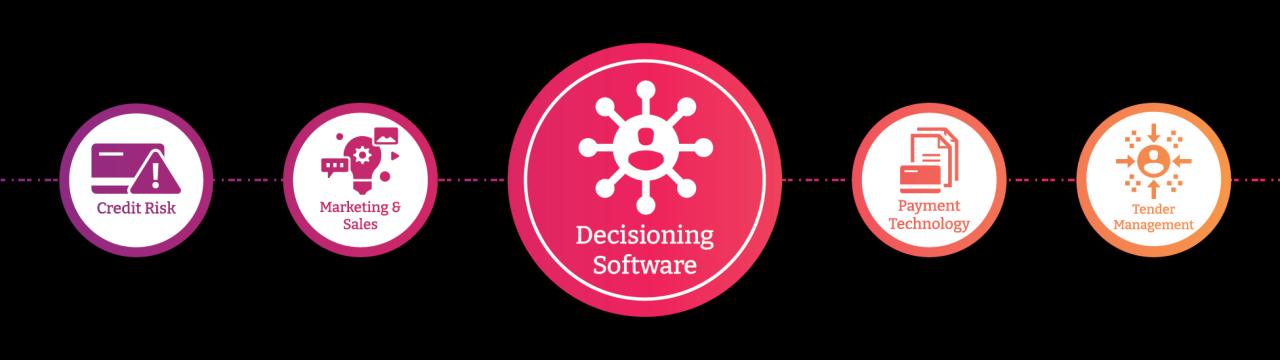
Decision management software is a pivotal tool in modern organizations, streamlining the decision-making process through data-driven insights and systematic workflows. In a world where timely and informed decisions can set a business apart, such software enables companies to harness their data effectively, fostering collaboration and improving overall performance.
This software encompasses various functionalities, including predictive analytics, scenario modeling, and automated decision processes, which collectively contribute to more agile and informed business strategies. By integrating these tools, organizations can navigate complex environments with confidence, ensuring that each decision aligns with their strategic objectives.
In today’s fast-paced world, where technology and information are at our fingertips, the significance of effective communication cannot be overstated. Communication serves as the foundation of human interaction; it shapes relationships, fosters collaboration, and enhances understanding among individuals and communities. As we delve deeper into the intricacies of communication, we will explore its various forms, the challenges it presents, and the strategies we can employ to improve our communication skills in both personal and professional realms.To begin with, it is essential to recognize that communication is not just about exchanging words.
It encompasses a wide range of elements, including verbal and nonverbal cues, tone of voice, body language, and even silence. Verbal communication, the most apparent form, involves the spoken or written word. It is vital for conveying information, expressing thoughts, and sharing feelings. However, nonverbal communication often speaks louder than words. According to studies, a significant portion of our communication is derived from body language, facial expressions, and gestures.
For instance, a smile can indicate friendliness, while crossed arms might suggest defensiveness. Thus, being aware of these cues can enhance our ability to communicate effectively.In addition to verbal and nonverbal communication, listening plays a crucial role in the overall process. Effective listening is an active skill that involves fully concentrating, understanding, responding, and remembering what is being said. Unfortunately, many individuals tend to overlook this vital component, leading to misunderstandings and misinterpretations.
To become a better communicator, one must develop the ability to listen attentively. This can be achieved by maintaining eye contact, avoiding distractions, and showing empathy towards the speaker’s feelings and perspectives.Despite the importance of communication, it is fraught with challenges. Various factors can hinder effective communication, including cultural differences, emotional barriers, and technological distractions. For instance, individuals from different cultural backgrounds may interpret messages differently, leading to potential conflicts or misunderstandings.
Additionally, emotions such as anger or frustration can cloud judgment and affect the clarity of communication. In the age of technology, distractions from smartphones, emails, and social media can also divert our attention, making it difficult to engage in meaningful conversations.To navigate these challenges, one can employ several strategies aimed at improving communication skills. Firstly, it is essential to embrace openness and adaptability.

Being open to different viewpoints and willing to adjust one’s communication style can foster a more inclusive environment. Furthermore, it can be beneficial to seek clarification when uncertain about a message. Asking questions demonstrates interest and a desire to understand, which can improve the quality of interpersonal interactions.Another effective strategy is to practice empathy. Understanding and acknowledging the feelings and perspectives of others can bridge gaps in communication.
When we approach conversations with empathy, we create a safe space for dialogue, allowing individuals to express themselves freely. This approach not only enhances understanding but also builds trust and rapport among participants.Moreover, honing the art of clear and concise expression is fundamental. Ensuring that messages are articulated clearly reduces the likelihood of miscommunication. This involves organizing thoughts coherently, using appropriate language, and avoiding jargon that may confuse the listener.
Providing examples or analogies can also clarify complex ideas and make them more relatable.In a professional context, effective communication is paramount for collaboration and productivity. Teams rely on clear communication to coordinate tasks, share feedback, and achieve common goals. Organizations that prioritize communication foster a culture of transparency and engagement, ultimately leading to higher employee morale and satisfaction. Leaders, in particular, play a critical role in setting the tone for communication within their teams.
By modeling effective communication practices and encouraging open dialogue, leaders can inspire their teams to communicate more effectively.Moreover, in an increasingly globalized world, the ability to communicate across cultures is becoming increasingly important. Understanding and respecting cultural differences can significantly enhance international relations, whether in business or diplomacy. Taking the time to learn about different cultures, traditions, and communication styles can lead to more fruitful interactions and collaborations.
This cultural intelligence is an invaluable asset in our interconnected world.As we consider the impact of digital communication, it is crucial to recognize both its advantages and drawbacks. While technology has made it easier to connect with others, it has also introduced new challenges. The nuances of face-to-face communication can be lost in emails and text messages, leading to potential misunderstandings.
Therefore, it is essential to be mindful of how messages are conveyed in digital formats. Utilizing clear language and considering the tone of written communication can help mitigate these issues.In conclusion, effective communication is a multifaceted skill that requires ongoing practice and development. By understanding the various forms of communication, actively listening, and employing strategies to overcome barriers, individuals can enhance their ability to connect with others.
In both personal and professional contexts, strong communication skills can lead to improved relationships, collaboration, and overall success. As we navigate the complexities of modern communication, let us strive to be more mindful and intentional in our interactions, fostering a culture of understanding and respect.
FAQ Insights
What is decision management software?
Decision management software is a tool designed to help organizations make better decisions by providing data analysis, modeling scenarios, and automating the decision-making process.
How can decision management software improve efficiency?
It enhances efficiency by streamlining workflows, reducing the time needed to analyze data, and facilitating quick and informed decision-making.
Is decision management software suitable for all business sizes?
Yes, decision management software can be tailored to suit businesses of all sizes, from small startups to large enterprises, adapting to their specific needs and complexities.
What types of decisions can be managed with this software?
This software can assist in managing various types of decisions, including operational, strategic, and financial decisions, across different departments within an organization.
Can decision management software integrate with existing systems?
Most decision management software solutions are designed to integrate seamlessly with existing systems and applications, enhancing their functionality without requiring a complete overhaul.