
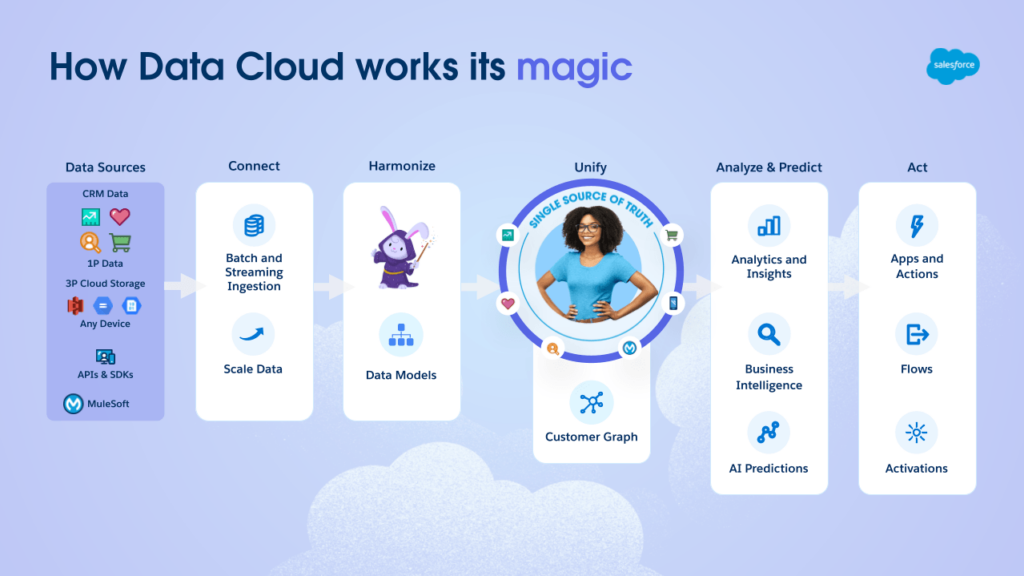
Data Cloud Agentforce represents a powerful new paradigm in intelligent data management. Leveraging cutting-edge machine learning techniques, it automates and optimizes data processing and analysis across diverse cloud environments. This innovative approach promises significant efficiency gains and enhanced decision-making capabilities for businesses and organizations of all sizes.
This document delves into the core functionalities and applications of Data Cloud Agentforce. We will explore its underlying machine learning principles, including supervised, unsupervised, and reinforcement learning, and examine how these methods are employed to extract actionable insights from complex datasets. Further, we will discuss essential data preprocessing techniques and model evaluation strategies.
Dear colleagues,Please find below a unique article addressing the multifaceted challenges and opportunities presented by the evolving landscape of artificial intelligence.
The rapid advancement of artificial intelligence (AI) is reshaping industries, transforming societal structures, and prompting fundamental questions about the future. This article delves into the key challenges and opportunities arising from this technological revolution, offering insights for individuals, organizations, and policymakers alike.
The Dual Nature of AI: Progress and Concerns
AI’s potential to revolutionize various sectors is undeniable. From automating complex tasks to driving breakthroughs in healthcare and scientific research, AI promises unprecedented progress. However, this progress is not without its challenges. Concerns regarding job displacement, algorithmic bias, and the ethical implications of autonomous systems require careful consideration and proactive mitigation strategies.
The ethical implications of AI are particularly significant. The potential for bias in algorithms, trained on datasets that reflect existing societal inequalities, can perpetuate and amplify these inequalities. This necessitates rigorous scrutiny of training data and development processes, aiming for fairness and transparency in AI systems.
Addressing the Challenges of AI Integration
One of the most pressing challenges is the potential for widespread job displacement. While AI can automate routine tasks, it also creates new opportunities in areas like AI development, data science, and AI-driven innovation. Upskilling and reskilling initiatives are crucial to equip the workforce for the changing job market. Education systems need to adapt to provide relevant training in these emerging fields.
Data security and privacy are paramount in an AI-driven world. The vast amounts of data required to train and operate AI systems raise concerns about data breaches and misuse. Robust data protection regulations and ethical guidelines are essential to safeguard individual privacy and maintain public trust.
Harnessing the Opportunities of AI
Despite the challenges, AI presents a wealth of opportunities. AI-powered solutions can improve healthcare diagnostics, personalize education, and optimize resource allocation in various sectors. The ability to analyze vast datasets can lead to breakthroughs in scientific research, accelerating discoveries and advancements.
The development of AI-powered tools for environmental monitoring and sustainability initiatives can significantly impact our planet. These tools can help optimize resource use, mitigate climate change, and improve overall environmental management.
Collaboration and Policy for a Responsible Future
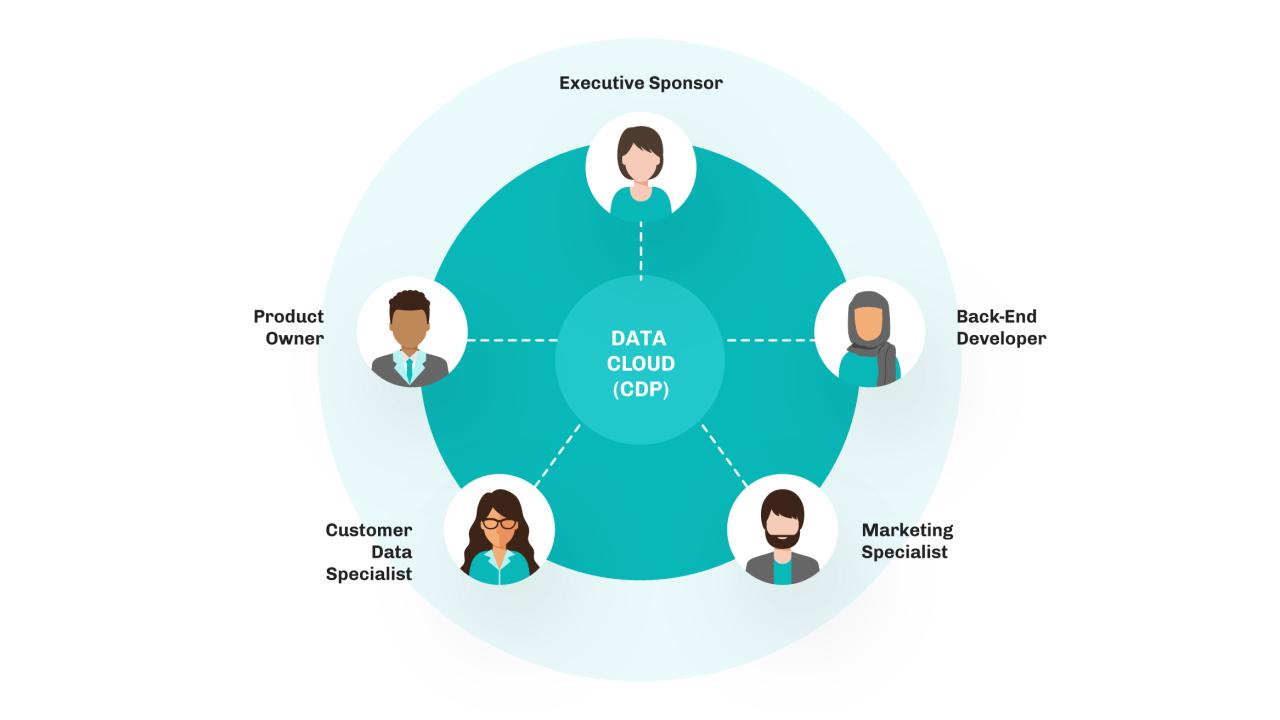
Addressing the challenges and maximizing the opportunities of AI requires a collaborative approach. Governments, businesses, and individuals must work together to establish ethical guidelines, foster responsible innovation, and ensure equitable access to AI technologies. Open dialogue and transparent decision-making processes are essential.
Policymakers need to develop clear regulations that address data privacy, algorithmic bias, and the potential for misuse of AI systems. These regulations should be adaptable and evolve alongside the rapid pace of AI development, striking a balance between innovation and safety.
Conclusion: Shaping a Future with AI
The future is undoubtedly shaped by AI. It is crucial to acknowledge the challenges, while simultaneously embracing the opportunities. By fostering collaboration, promoting ethical development, and adapting to the evolving landscape, we can leverage AI’s transformative potential to create a more sustainable, equitable, and prosperous future for all.
This article serves as a starting point for further discussion and exploration. We encourage our stakeholders to engage in ongoing dialogue, share insights, and contribute to the responsible development and deployment of artificial intelligence.
Thank you for your attention.
Helpful Answers
What specific types of data can Data Cloud Agentforce process?
Data Cloud Agentforce can handle a wide range of data types, including structured, semi-structured, and unstructured data, from various sources. Its adaptability ensures compatibility with diverse data formats and storage systems.
What are the security measures implemented in Data Cloud Agentforce?
Data security is paramount. Data Cloud Agentforce incorporates robust security protocols, including encryption and access controls, to protect sensitive information and maintain compliance with industry standards.
How does Data Cloud Agentforce handle large volumes of data?
Data Cloud Agentforce is designed to efficiently process large volumes of data through optimized algorithms and distributed computing architectures. This ensures rapid analysis and delivery of results even with substantial datasets.
What is the scalability of Data Cloud Agentforce?
Data Cloud Agentforce is highly scalable, allowing for seamless expansion as data volumes and processing needs increase. This scalability enables adaptation to the ever-growing demands of data-intensive applications.