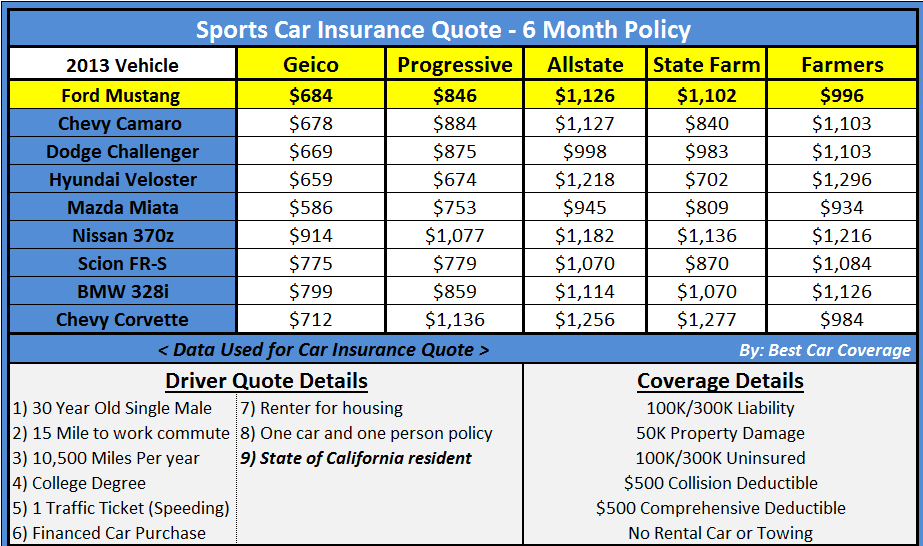
Compare auto insurance quotes online is an essential task for anyone looking to protect their vehicle while also managing their budget. In today’s fast-paced digital age, the ability to easily compare multiple insurance providers allows consumers to make informed decisions that best suit their needs. By understanding the various factors that influence auto insurance rates, individuals can effectively navigate the marketplace and find the most competitive offers available.

In this guide, we will discuss the intricacies of comparing auto insurance quotes online, including tips on how to access reliable information, evaluate different policies, and ultimately choose the right coverage for your situation. With a wealth of resources and tools at your disposal, it is easier than ever to secure the insurance policy that provides you with the peace of mind you deserve.
In recent years, the significance of mental health has garnered increasing attention across various sectors, from healthcare to education and corporate environments. Mental health encompasses a person’s emotional, psychological, and social well-being, ultimately influencing how individuals think, feel, and act. It plays a critical role throughout every stage of life, from childhood and adolescence through adulthood. Understanding mental health is imperative not only for fostering a supportive environment but also for promoting overall well-being.
The World Health Organization (WHO) defines mental health as a state of well-being in which every individual realizes their own potential can cope with the normal stresses of life, can work productively and fruitfully, and is able to contribute to their community. This definition highlights the importance of mental health as a foundation for a fulfilling life.Unfortunately, mental health issues are prevalent across the globe.
According to the WHO, approximately one in four people will experience a mental health disorder at some point in their lives. These disorders can range from anxiety and depression to more severe conditions such as schizophrenia or bipolar disorder. The stigma surrounding mental health often prevents individuals from seeking the help they need, perpetuating a cycle of suffering that could be alleviated through appropriate support and treatment.Education about mental health is crucial in combating this stigma.
Schools and workplaces should prioritize mental health awareness programs that educate individuals about the signs and symptoms of mental health issues. By fostering an environment where open discussions about mental health are encouraged, we can dismantle the misconceptions that often surround it. Furthermore, training staff and educators to recognize early warning signs can lead to timely intervention, ultimately improving outcomes for those affected.The integration of mental health into primary healthcare is also essential.
Many individuals who experience mental health challenges often visit primary care providers for physical health issues, making it a prime opportunity for healthcare professionals to assess and address mental health concerns. Implementing routine screenings and promoting a holistic approach to health can significantly enhance patient care. Additionally, providing mental health resources and support services within primary care settings can empower individuals to seek the help they need without fear of judgment.Workplaces are increasingly recognizing the importance of mental health as well.
Companies that prioritize employee well-being often see increased productivity, reduced absenteeism, and enhanced job satisfaction. Implementing employee assistance programs (EAPs) can provide confidential support for employees dealing with personal or work-related challenges. Additionally, fostering a culture of openness where employees feel safe discussing mental health can lead to healthier work environments. Furthermore, the role of technology in promoting mental health cannot be overlooked.
Teletherapy and mental health apps have emerged as valuable resources for individuals seeking support. These platforms can provide access to therapy and resources that may not be available locally, thus breaking down geographical barriers to mental health care. However, it is crucial for individuals to approach these tools with awareness and ensure they are utilizing reputable and evidence-based resources.Self-care is another integral aspect of maintaining mental health.
Encouraging individuals to engage in self-care practices such as exercise, mindfulness meditation, and hobbies can significantly improve their mental well-being. By promoting a balanced lifestyle, individuals are better equipped to manage stress and navigate life’s challenges. Community support plays a vital role in mental health as well. Building strong community ties can create an environment where individuals feel connected and supported.
Support groups, peer mentoring, and community wellness initiatives foster a sense of belonging that is essential for mental health. Furthermore, engaging in volunteer work and community service can provide individuals with a sense of purpose and fulfillment, contributing positively to their mental well-being.It is essential to recognize the intersectionality of mental health with other social determinants, such as socioeconomic status, race, and gender.
Marginalized communities often face additional barriers to accessing mental health care and support. Understanding these disparities is crucial for developing inclusive policies and programs that cater to the needs of diverse populations. Advocacy for equitable access to mental health services is necessary to ensure that everyone receives the support they need.In conclusion, the importance of mental health cannot be overstated.
It is a fundamental component of overall health and well-being. By promoting awareness, reducing stigma, and fostering supportive environments, we can create a society that values mental health and encourages individuals to seek help without fear. Education, community support, and the integration of mental health into various sectors are crucial steps in this endeavor. As we continue to navigate the complexities of the modern world, prioritizing mental health will not only enhance individual lives but also strengthen communities and societies as a whole.
Together, we can work towards a future where mental health is understood, valued, and prioritized, paving the way for healthier, happier lives for all individuals.
FAQ Summary
What is the best way to compare auto insurance quotes?
The best way to compare auto insurance quotes is to use online comparison tools that aggregate quotes from multiple providers, allowing you to analyze coverage options and prices side by side.
How often should I compare my auto insurance quotes?
It is advisable to compare auto insurance quotes at least once a year or whenever there are significant life changes, such as moving or purchasing a new vehicle, to ensure you are receiving the best rates.
Will my credit score affect my auto insurance rates?
Yes, many insurance companies consider credit scores when determining rates, as they believe there is a correlation between credit history and the likelihood of filing claims.
Are online quotes binding?
No, online quotes are typically not binding. They serve as estimates, and final rates may change based on the underwriting process and additional information provided.
Can I negotiate my auto insurance rate?
Yes, you can negotiate your auto insurance rate by discussing discounts, bundling policies, or providing additional information that may qualify you for lower premiums.