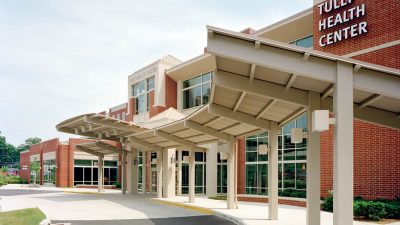
Colleges that have healthcare administration programs offer a gateway to a fulfilling career in one of the most critical sectors of our society. As the healthcare industry continues to evolve, these programs equip students with the essential knowledge and skills needed to navigate the complexities of health services management. From understanding healthcare policies to mastering financial management and organizational behavior, students are prepared to meet the demands of this dynamic field.
In a world where efficient healthcare delivery is paramount, the role of healthcare administrators becomes increasingly vital. These programs not only provide academic rigor but also foster practical skills through internships and hands-on experiences, ensuring graduates are ready to make meaningful contributions to healthcare organizations.
In today’s rapidly evolving world, the concept of lifelong learning has become more significant than ever before. As technology continues to advance and new knowledge emerges at an unprecedented pace, the ability to adapt and continuously learn is crucial for both personal and professional growth. Lifelong learning is not merely about acquiring new skills; it is a commitment to self-improvement and a proactive approach to staying relevant in an ever-changing environment.

Defining Lifelong Learning
Lifelong learning can be defined as the ongoing, voluntary, and self-motivated pursuit of knowledge for personal or professional development. It encompasses a wide range of activities, including formal education, self-directed study, workshops, online courses, and informal learning experiences. The essence of lifelong learning lies in the desire to seek knowledge and improve one’s competencies throughout life.
The Role of Technology in Lifelong Learning
In the digital age, technology plays a pivotal role in facilitating lifelong learning. Online platforms, such as MOOCs (Massive Open Online Courses), e-learning websites, and virtual classrooms, have made education more accessible than ever. Individuals can now learn at their own pace, choosing subjects that interest them or that are relevant to their career paths. This flexibility allows learners to balance their studies with other responsibilities, such as work and family.
Benefits of Lifelong Learning
The benefits of engaging in lifelong learning are manifold. Firstly, it enhances employability. In a competitive job market, employers are increasingly seeking candidates who demonstrate a commitment to continuous learning and professional development. By acquiring new skills and knowledge, individuals can increase their value to potential employers, making them more attractive candidates.
Secondly, lifelong learning can lead to increased job satisfaction and career advancement. Learning new skills often opens up opportunities for promotions and career progression. Moreover, individuals who engage in lifelong learning tend to feel more fulfilled in their careers, as they are constantly challenged and stimulated by new knowledge.
Additionally, lifelong learning contributes to personal growth and self-fulfillment. It allows individuals to explore their interests and passions, fostering creativity and innovation. Engaging in learning activities can also boost confidence and self-esteem, as individuals gain new competencies and overcome challenges.
Overcoming Barriers to Lifelong Learning
Despite the clear advantages, many individuals face barriers that hinder their pursuit of lifelong learning. Time constraints, financial limitations, and lack of motivation can all impede one’s ability to engage in learning opportunities. It is essential to recognize these barriers and develop strategies to overcome them.
For instance, setting aside specific times for learning, creating a budget for educational expenses, and seeking support from peers can help individuals prioritize their learning goals. Furthermore, cultivating a growth mindset—believing in the ability to learn and grow—can enhance motivation and resilience in the face of challenges.
Creating a Lifelong Learning Plan
To successfully incorporate lifelong learning into one’s life, it is beneficial to create a structured learning plan. This plan should Artikel personal learning goals, preferred learning methods, and timelines for achieving these objectives. Here are some steps to consider when developing a lifelong learning plan:
- Identify Goals: Determine what skills or knowledge areas you wish to develop. This could range from professional certifications to personal interests such as art or music.
- Select Learning Resources: Research and choose appropriate resources, such as online courses, books, or workshops that align with your goals.
- Create a Schedule: Allocate dedicated time in your calendar for learning activities. Consistency is key to making progress.
- Track Progress: Regularly assess your learning journey by setting milestones and celebrating achievements along the way.
- Stay Flexible: Be open to adjusting your plan as needed. Life circumstances and interests may change, and your learning plan should reflect that.
Conclusion
In conclusion, lifelong learning is a vital component of personal and professional development in today’s fast-paced world. The ability to learn continuously not only enhances employability and career satisfaction but also fosters personal growth and fulfillment. By leveraging technology, overcoming barriers, and creating a structured learning plan, individuals can embrace lifelong learning as a lifelong journey. It is never too late to start learning, and the possibilities are endless for those who are willing to invest in their growth.
FAQ Section
What types of courses are offered in healthcare administration programs?
Courses typically include healthcare policies, financial management, healthcare ethics, and organizational behavior.

Are internships required in healthcare administration programs?
Many programs encourage or require internships to provide hands-on experience in real healthcare settings.
What careers can I pursue with a degree in healthcare administration?

Graduates can work as healthcare managers, hospital administrators, health services directors, or policy analysts.
Is there a demand for healthcare administration professionals?
Yes, the demand for healthcare administrators is expected to grow as the healthcare industry expands and evolves.
Can I pursue a healthcare administration degree online?
Yes, many colleges offer online programs in healthcare administration, providing flexibility for students.