Beauty salons, thriving hubs of artistry and pampering, face unique accounting challenges. Effective accounting software is essential for accurate record-keeping, efficient financial management, and ultimately, salon success. This guide explores the critical aspects of choosing and utilizing accounting software tailored for the specific needs of beauty businesses.
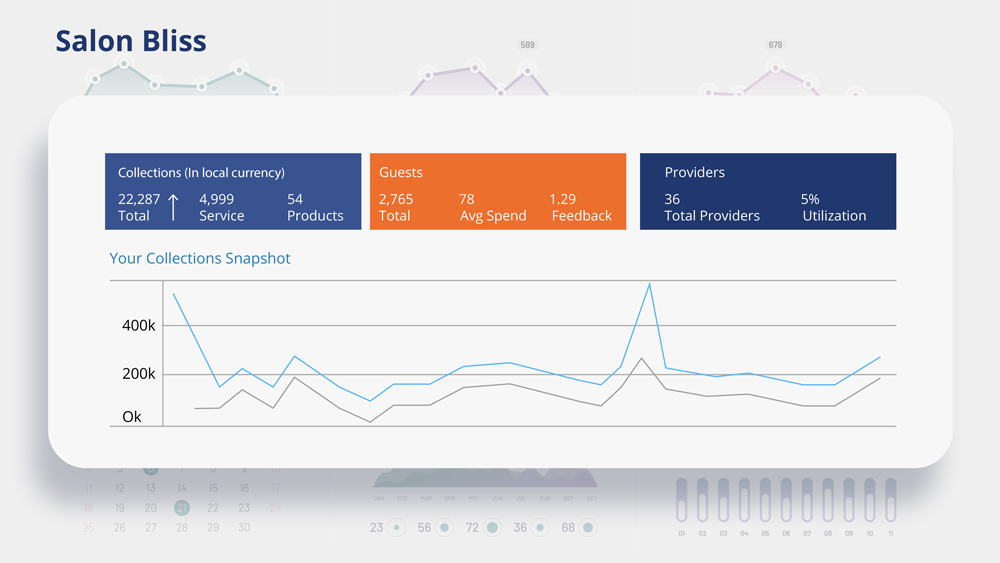
From tracking client appointments and product inventory to managing payroll and invoicing, the right software can simplify complex procedures. This comprehensive overview provides valuable insights for salon owners looking to optimize their financial operations.
Dear esteemed colleagues,Please find below a comprehensive article exploring the multifaceted nature of sustainable urban development.
The rapid growth of urban centers worldwide presents both opportunities and challenges. While urbanization can drive economic progress and innovation, it also places immense pressure on resources, infrastructure, and the environment. Sustainable urban development emerges as a crucial framework for addressing these complexities and creating thriving, resilient cities for future generations. This article delves into the key principles, strategies, and challenges associated with achieving this ambitious goal.
Understanding the Pillars of Sustainability
Sustainable urban development rests on three interconnected pillars: environmental sustainability, economic viability, and social equity. Environmental sustainability focuses on minimizing the ecological footprint of urban areas, promoting resource efficiency, and mitigating climate change impacts. Economic viability ensures that urban development projects are financially sound, creating jobs, and stimulating economic growth while minimizing negative impacts on the environment. Finally, social equity aims to ensure that the benefits of urban development are distributed fairly, fostering inclusivity and addressing the needs of all residents, particularly marginalized communities.
Key Strategies for Sustainable Urban Development
Implementing sustainable urban development requires a multifaceted approach that encompasses various strategies. These strategies include:
- Green Infrastructure: Integrating parks, green roofs, and urban forests into the urban landscape can improve air quality, reduce the urban heat island effect, and enhance biodiversity. This also enhances the quality of life for residents.
- Efficient Transportation Systems: Promoting public transportation, cycling, and walking through dedicated infrastructure can reduce reliance on private vehicles, minimizing traffic congestion and air pollution. Investing in sustainable modes of transport is vital.
- Renewable Energy Sources: Transitioning to renewable energy sources like solar and wind power reduces reliance on fossil fuels, mitigating greenhouse gas emissions and promoting energy independence.
- Circular Economy Principles: Adopting circular economy principles in urban waste management and resource utilization can significantly reduce waste generation and promote resource efficiency. This is crucial for long-term sustainability.
- Community Engagement and Participation: Involving residents in the planning and implementation of urban development projects fosters a sense of ownership and ensures that the needs and aspirations of the community are addressed. This also builds trust.
- Smart City Technologies: Utilizing technology to optimize resource management, improve urban planning, and enhance public services can lead to significant efficiency gains and reduce waste. Smart city initiatives are crucial for progress.
Challenges and Opportunities
While the potential benefits of sustainable urban development are substantial, several challenges need to be addressed. These include financing large-scale infrastructure projects, overcoming resistance to change from vested interests, and ensuring equitable access to resources and opportunities for all residents. However, these challenges also represent opportunities for innovation and collaboration, fostering new partnerships between government, businesses, and civil society organizations.
Successful implementation hinges on strong political will, effective leadership, and the active participation of all stakeholders.
Conclusion
Sustainable urban development is not just an environmental imperative; it is a social and economic necessity. By adopting holistic approaches that integrate environmental sustainability, economic viability, and social equity, cities can build a more resilient, equitable, and prosperous future. This requires a collective effort, embracing innovation, and fostering a shared commitment to a better urban environment for all.
We encourage continued discussion and collaboration to navigate the complexities of sustainable urban development and build a brighter tomorrow for our cities.
FAQ
What types of transactions does this software typically handle?
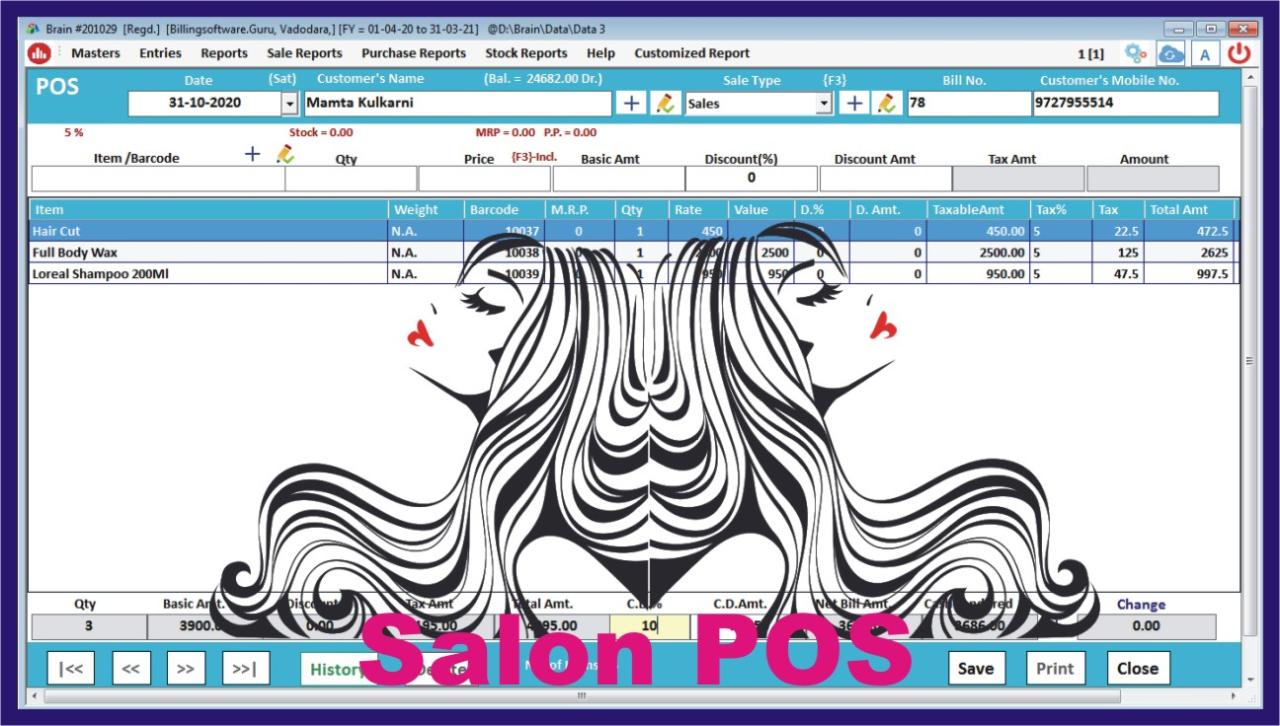
The software typically handles transactions related to client appointments, product sales, payroll, and financial reporting specific to beauty salons. This includes tracking revenue from services, recording inventory usage, and managing expenses.
How does the software integrate with existing salon scheduling systems?
Many accounting software solutions integrate seamlessly with popular salon scheduling platforms. This integration allows for automatic data transfer, minimizing manual entry and ensuring accurate financial records.
What security measures are in place to protect sensitive financial data?
Reputable accounting software providers employ robust security measures to protect client data. These often include encryption, access controls, and regular security audits.

Are there any mobile or tablet apps available to access the software?
Some providers offer mobile or tablet applications, allowing salon staff to access and manage essential data on the go. This often facilitates real-time tracking and improved workflow.