Enterprise resource planning for small business is a vital tool that integrates various organizational processes into a cohesive system. This approach not only streamlines operations but also enhances efficiency and decision-making capabilities. In a rapidly evolving business landscape, understanding the significance and implementation of ERP systems is essential for small enterprises aiming to remain competitive and respond adeptly to market demands.
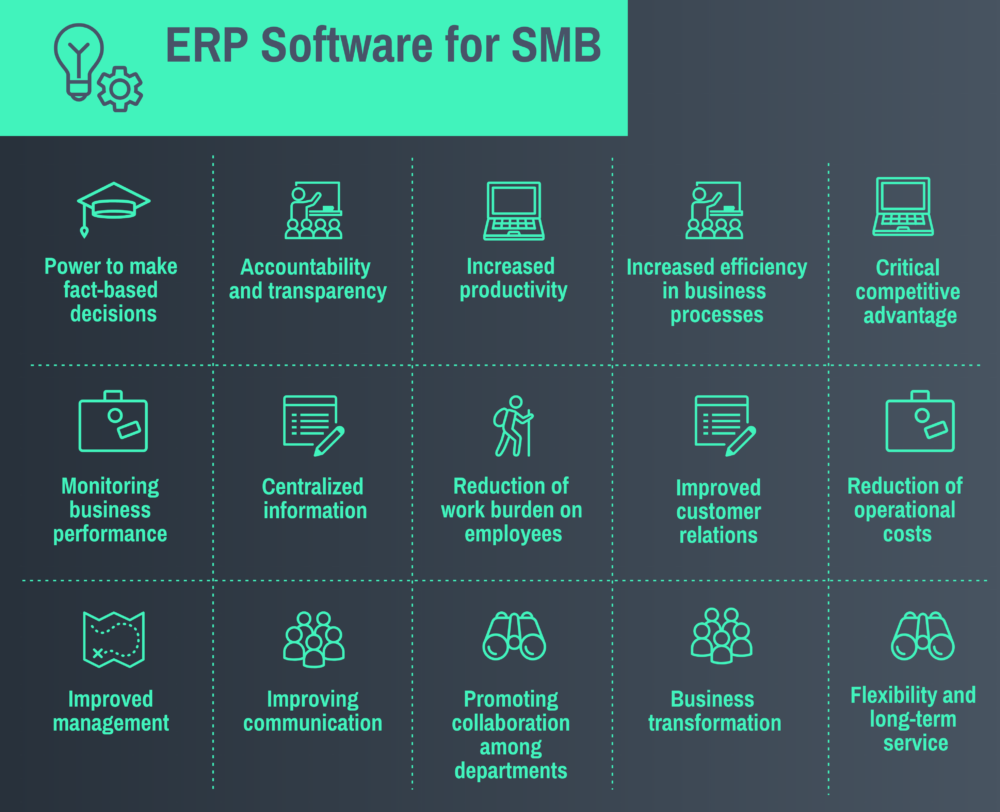
The significance of ERP systems extends beyond mere operational management; they offer a strategic advantage by providing real-time data and analytics that empower small businesses to make informed decisions. By centralizing critical functions such as finance, human resources, and supply chain management, ERP systems facilitate improved collaboration and resource allocation, leading to sustainable growth and innovation.
Communication is the cornerstone of human interaction, forming the basis of relationships, collaboration, and understanding across various contexts. In today’s fast-paced and interconnected world, mastering the art of communication has never been more critical. This article delves into the essential aspects of effective communication, exploring its significance, the various styles, and practical strategies to enhance one’s communicative abilities.

Understanding Communication
At its core, communication is the process of exchanging information, ideas, and emotions between individuals or groups. It encompasses verbal, non-verbal, and written forms, making it a multifaceted phenomenon. Effective communication involves not just conveying a message but ensuring that it is understood as intended by the recipient. This requires a clear understanding of both the message and the audience.
The Importance of Effective Communication
In personal and professional realms, effective communication fosters strong relationships, builds trust, and promotes collaboration. It reduces misunderstandings, enhances team dynamics, and ultimately leads to higher productivity and satisfaction. In a business context, the ability to communicate effectively can influence decision-making processes, drive innovation, and create a positive organizational culture. Moreover, in personal relationships, open and honest communication is vital for resolving conflicts and deepening connections.
Types of Communication Styles
Understanding different communication styles is essential for effective engagement. Generally, communication styles can be categorized into four primary types: passive, aggressive, passive-aggressive, and assertive.
Passive Communication
Individuals with a passive communication style often avoid expressing their thoughts or feelings, leading to unaddressed issues. This style can result in resentment and frustration, both for the individual and those around them.
Aggressive Communication
Aggressive communicators tend to dominate conversations, often disregarding others’ feelings and perspectives. This style can create a hostile environment, leading to conflicts and strained relationships.
Passive-Aggressive Communication
This style combines elements of both passive and aggressive communication. Individuals may appear agreeable on the surface but express their discontent indirectly through sarcasm or subtle digs. This approach can create confusion and hinder honest dialogue.
Assertive Communication
Assertive communication is often considered the most effective style. It involves expressing one’s thoughts and feelings openly and honestly while respecting others. Assertive communicators are confident and direct, fostering an environment of mutual respect and understanding.
Strategies for Enhancing Communication Skills
Improving communication skills is a continuous process that requires practice and reflection. Here are some effective strategies:
1. Active Listening
Active listening involves fully concentrating on the speaker, understanding their message, and responding thoughtfully. This requires minimizing distractions and demonstrating genuine interest through verbal and non-verbal cues, such as nodding or maintaining eye contact.
2. Clarity and Conciseness
When delivering a message, clarity and conciseness are key. Avoid using jargon or overly complex language that may confuse the audience. Instead, aim to be straightforward and to the point, ensuring that your main ideas are easily understood.
3. Non-Verbal Communication
Non-verbal cues, including body language, facial expressions, and tone of voice, play a significant role in communication. Being aware of your own non-verbal signals and interpreting those of others can enhance understanding and rapport.

4. Empathy
Empathy involves putting oneself in another’s shoes and understanding their perspective. By practicing empathy, communicators can build stronger connections and address the emotional aspects of conversations, leading to more meaningful interactions.
5. Constructive Feedback
Providing and receiving feedback is an essential part of effective communication. When giving feedback, focus on specific behaviors rather than personal attributes, and ensure it is constructive, aimed at fostering improvement. When receiving feedback, approach it with an open mind and a willingness to learn.
Overcoming Communication Barriers
Despite our best efforts, various barriers can hinder effective communication. These may include language differences, cultural misunderstandings, emotional barriers, and environmental factors such as noise or distractions. Recognizing these barriers is the first step in overcoming them.
Cultural Sensitivity
In an increasingly globalized world, cultural sensitivity is essential. Understanding and respecting cultural differences in communication styles can enhance cross-cultural interactions, reducing potential misunderstandings.
Emotional Awareness
Being aware of one’s emotions and how they influence communication can improve interactions. High emotions can cloud judgment, so it’s crucial to manage feelings effectively, especially in challenging conversations.
The Role of Technology in Modern Communication
Technology has transformed the communication landscape, introducing new platforms and methods for interaction. While it offers numerous benefits, such as instant connectivity and accessibility, it also presents unique challenges. Misinterpretations can arise from text-based communication due to a lack of non-verbal cues, leading to misunderstandings.
Conclusion
In conclusion, effective communication is an art that requires practice, awareness, and a genuine desire to connect with others. By understanding different communication styles, implementing practical strategies, and remaining mindful of potential barriers, individuals can enhance their communication skills. As the world continues to evolve, the ability to communicate effectively will remain a vital skill, fostering relationships and facilitating collaboration in both personal and professional spheres.
Popular Questions
What is the main benefit of ERP for small businesses?
The primary benefit of ERP for small businesses is the integration of various business processes, which enhances efficiency and provides real-time insights for informed decision-making.
How can small businesses select the right ERP system?
Small businesses should consider their specific needs, budget, scalability, and user-friendliness of the ERP system while selecting the right one for their operations.
Is ERP implementation expensive for small businesses?
The cost of ERP implementation can vary, but many providers offer scalable solutions tailored for small businesses, making it more accessible compared to traditional systems.
What industries benefit the most from ERP systems?
While ERP systems can benefit various industries, those in manufacturing, retail, and service sectors often see significant advantages due to their complex operations and need for resource management.
Can small businesses customize their ERP solutions?
Yes, many ERP systems offer customization options that allow small businesses to tailor the software to their specific operational requirements.