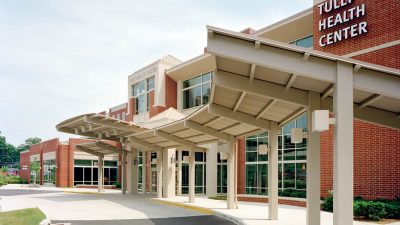
The bachelor of science in healthcare administration online program offers an exceptional opportunity for individuals seeking to advance their careers in the dynamic field of healthcare management. This comprehensive degree prepares students to navigate the complexities of healthcare systems, improve patient outcomes, and optimize organizational performance.
With a blend of theoretical knowledge and practical skills, this program equips learners with the tools necessary to address today’s healthcare challenges, making a significant impact on communities and organizations alike.
In today’s fast-paced world, the importance of effective communication cannot be overstated. Whether in personal relationships or professional settings, the ability to convey thoughts clearly and respectfully is a valuable skill. This article will explore the various dimensions of effective communication, its significance, and practical strategies to enhance it.

Effective communication is the cornerstone of successful interactions. It involves not just the words we speak but also our body language, tone of voice, and the ability to listen actively. Clarity, conciseness, and coherence are essential components that contribute to the effectiveness of our communication. When we communicate effectively, we foster better understanding, minimize conflicts, and build stronger relationships.
One of the primary reasons for the significance of effective communication is its role in relationship building. Whether in the workplace or at home, clear communication fosters trust and respect. When individuals express themselves openly and honestly, it creates an environment where everyone feels valued and understood. This, in turn, leads to more collaborative relationships where parties work together towards common goals.
Moreover, effective communication enhances problem-solving skills. When individuals articulate their thoughts and concerns clearly, it becomes easier to identify issues and devise appropriate solutions. In a team setting, this can lead to innovative ideas and improved productivity, as team members feel comfortable sharing their input without fear of misunderstanding or misinterpretation.
To improve communication skills, one must first focus on active listening. This means genuinely paying attention to the speaker, showing empathy, and providing feedback. Active listening encourages the speaker to express their thoughts more freely and ensures that their message is received as intended. Techniques such as nodding, maintaining eye contact, and summarizing what has been said can significantly enhance the listener’s engagement.
Additionally, being aware of non-verbal communication is crucial. Body language, facial expressions, and gestures can convey a wealth of information and emotions that words alone may not express. For instance, crossed arms may signal defensiveness, while an open posture can indicate receptiveness. Being mindful of these cues allows individuals to adjust their communication style accordingly and foster a more positive interaction.
Furthermore, clarity is paramount in effective communication. Using simple, direct language helps prevent misunderstandings. Avoiding jargon or overly complex terms ensures that the message is accessible to all parties involved. When conveying important information, it is beneficial to structure thoughts logically and clearly Artikel key points.
Context also plays a significant role in communication. Understanding the audience and the situation can guide how a message is delivered. For instance, a formal presentation in a corporate setting may require a different tone and language compared to a casual conversation with friends. Adapting one’s communication style to fit the context demonstrates respect and consideration for the audience’s expectations and needs.
In a multicultural and diverse world, acknowledging and respecting cultural differences in communication is vital. Different cultures may have varying norms regarding eye contact, personal space, and the use of silence. Being culturally sensitive and adaptable in communication can prevent misunderstandings and foster inclusivity in interactions.
Another effective strategy for enhancing communication is to practice empathy. Being able to put oneself in someone else’s shoes allows for a deeper understanding of their perspective. This creates a more compassionate dialogue where individuals feel heard and acknowledged. Empathy can diffuse tense situations and promote collaborative problem-solving.
Moreover, feedback is an essential component of effective communication. Providing constructive feedback helps individuals understand how their message was received and areas where they might improve. Similarly, being open to receiving feedback allows for personal growth and development in communication skills.
In today’s digital age, the methods of communication have expanded beyond face-to-face interactions. Emails, texts, and social media platforms have become instrumental in how we connect with others. However, digital communication poses its own set of challenges, such as the absence of non-verbal cues. Therefore, it is crucial to approach digital communication with clarity and a mindful tone to convey the intended message accurately.
Lastly, practicing effective communication is an ongoing journey. Regularly reflecting on one’s communication style and seeking opportunities for improvement can lead to significant progress over time. Engaging in workshops, reading books on the subject, or even working with a mentor can provide valuable insights and techniques to enhance communication skills.

In conclusion, effective communication is a pivotal skill that influences every aspect of our lives. By focusing on active listening, clarity, empathy, and cultural sensitivity, individuals can significantly improve their communication skills. As we navigate our personal and professional relationships, let us strive to become more effective communicators, fostering understanding, collaboration, and respect in our interactions with others.
Questions Often Asked
What career opportunities are available with this degree?
Graduates can pursue roles such as healthcare manager, administrator, and policy analyst in various healthcare settings.
How long does it typically take to complete the program?
The program usually takes about four years to complete, depending on the student’s course load and pace.
Is the degree recognized by healthcare organizations?
Yes, this degree is widely recognized and valued by employers in the healthcare industry.
Can I work while studying for this degree?
Many online programs offer flexible scheduling, allowing students to balance work and study effectively.
What skills will I develop in this program?
Students will enhance skills in leadership, strategic planning, communication, and financial management specific to healthcare settings.