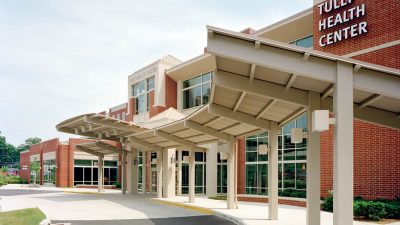
Exploring bs in healthcare administration schools reveals a vibrant and essential aspect of the healthcare sector. These institutions play a pivotal role in preparing future leaders equipped with the knowledge and skills necessary to navigate the complexities of healthcare management. With a focus on both theoretical foundations and practical applications, students engage in a curriculum designed to address current challenges while embracing innovations that shape the future of healthcare.
Students in healthcare administration programs learn about various aspects of the industry, including health policy, finance, and ethics. They are trained to understand the dynamics of healthcare systems and the significance of effective administration in delivering quality patient care. The growing demand for qualified professionals in this field underscores the importance of these educational programs in fostering a well-managed healthcare environment.
In today’s fast-paced world, the importance of effective communication cannot be overstated. Whether in personal or professional settings, the way we convey our thoughts and ideas can significantly impact relationships, opportunities, and overall success. This article aims to explore the essential elements of effective communication, strategies for improvement, and the benefits that come from mastering this critical skill.
The Importance of Effective Communication
Effective communication is the foundation upon which strong relationships are built. It allows individuals to express their needs, share their ideas, and collaborate with others. In the workplace, clear communication can enhance teamwork, boost morale, and increase productivity. On a personal level, it fosters understanding and deepens connections between individuals.
Miscommunication, on the other hand, can lead to confusion, frustration, and conflict. It is essential to recognize that effective communication is not solely about speaking clearly; it also encompasses listening actively, understanding non-verbal cues, and adapting messages to suit the audience. In this context, being an effective communicator involves both delivering messages and receiving them.
Key Elements of Effective Communication
There are several key elements that contribute to effective communication:
- Clarity: The message should be clear and unambiguous. Avoid jargon or overly complex language that may confuse the recipient.
- Conciseness: Being concise helps to keep the audience’s attention. Deliver your message in as few words as possible without sacrificing meaning.
- Active Listening: Listening is just as important as speaking. Show genuine interest in what others are saying, and provide feedback to indicate understanding.
- Empathy: Understanding the feelings and perspectives of others can greatly enhance communication. Empathetic communicators build trust and rapport.
- Non-Verbal Communication: Body language, facial expressions, and tone of voice all convey important information. Be mindful of these cues, as they can often communicate more than words alone.
Strategies for Improving Communication Skills
Improving communication skills is an ongoing process that requires practice and dedication. Here are several strategies to enhance your abilities:
- Practice Active Listening: Make a conscious effort to listen more than you speak. Summarize what others say to demonstrate your understanding and ask clarifying questions when necessary.
- Seek Feedback: Ask trusted friends or colleagues for feedback on your communication style. Constructive criticism can provide valuable insights into areas for improvement.
- Observe Effective Communicators: Identify individuals who excel in communication and observe their techniques. Consider what you can adopt in your style.
- Engage in Public Speaking: Participating in public speaking events can boost confidence and improve your ability to articulate thoughts. Consider joining groups such as Toastmasters for practice.
- Record Yourself: Recording your conversations or speeches can help you identify areas where you might improve. Pay attention to your tone, pace, and clarity.
The Benefits of Mastering Communication Skills
Mastering communication skills yields numerous benefits in both personal and professional realms:
- Enhanced Relationships: Effective communication promotes understanding and trust, leading to deeper and more meaningful connections.
- Increased Professional Success: Strong communication skills are often linked to leadership positions and career advancement opportunities. Being able to convey ideas clearly can set you apart from others.
- Conflict Resolution: Good communicators can navigate conflicts more effectively. They can express their concerns while also understanding others’ viewpoints, leading to amicable solutions.
- Boosted Confidence: As you become a more skilled communicator, your confidence in expressing your thoughts will grow. This newfound confidence can positively impact various aspects of your life.
- Positive Impact on Team Dynamics: In a team setting, effective communication fosters collaboration and enhances productivity. Teams that communicate well are more likely to achieve their goals.
Overcoming Communication Barriers
Despite the importance of effective communication, various barriers can hinder our ability to connect with others. These barriers include:
- Cultural Differences: Different cultural backgrounds can lead to misunderstandings. Be open-minded and willing to learn about other cultures to improve cross-cultural communication.
- Emotional Barriers: Personal emotions can cloud judgment and hinder effective communication. It is essential to manage your emotions and approach conversations with a clear mind.
- Assumptions and Stereotypes: Making assumptions about others can lead to misinterpretations. Approach interactions with an open mind and avoid jumping to conclusions.
- Technological Barriers: In an increasingly digital world, reliance on technology can sometimes hinder face-to-face communication. Strive to balance digital and personal interactions for effective communication.
Conclusion
In conclusion, effective communication is a vital skill that impacts all areas of life. By understanding its importance and actively working to improve our communication abilities, we can foster better relationships, enhance professional success, and contribute to a more harmonious society. Remember that communication is not just about talking; it’s about connecting. Embrace the journey of becoming an effective communicator, and watch as the world around you transforms for the better.
Question Bank
What careers can I pursue with a degree in healthcare administration?
Graduates can pursue various roles, including healthcare manager, policy analyst, or health services administrator.
Is a bachelor’s degree sufficient for a career in healthcare administration?
While a bachelor’s degree can provide entry-level opportunities, advanced positions may require a master’s degree or relevant experience.

What skills are emphasized in healthcare administration programs?
Skills such as leadership, communication, analytical thinking, and financial management are emphasized in these programs.
Are there online programs available for healthcare administration?
Yes, many institutions offer online degree programs in healthcare administration, providing flexibility for students.
How important is internship experience in healthcare administration?
Internship experience is highly valuable as it offers practical knowledge and networking opportunities within the industry.