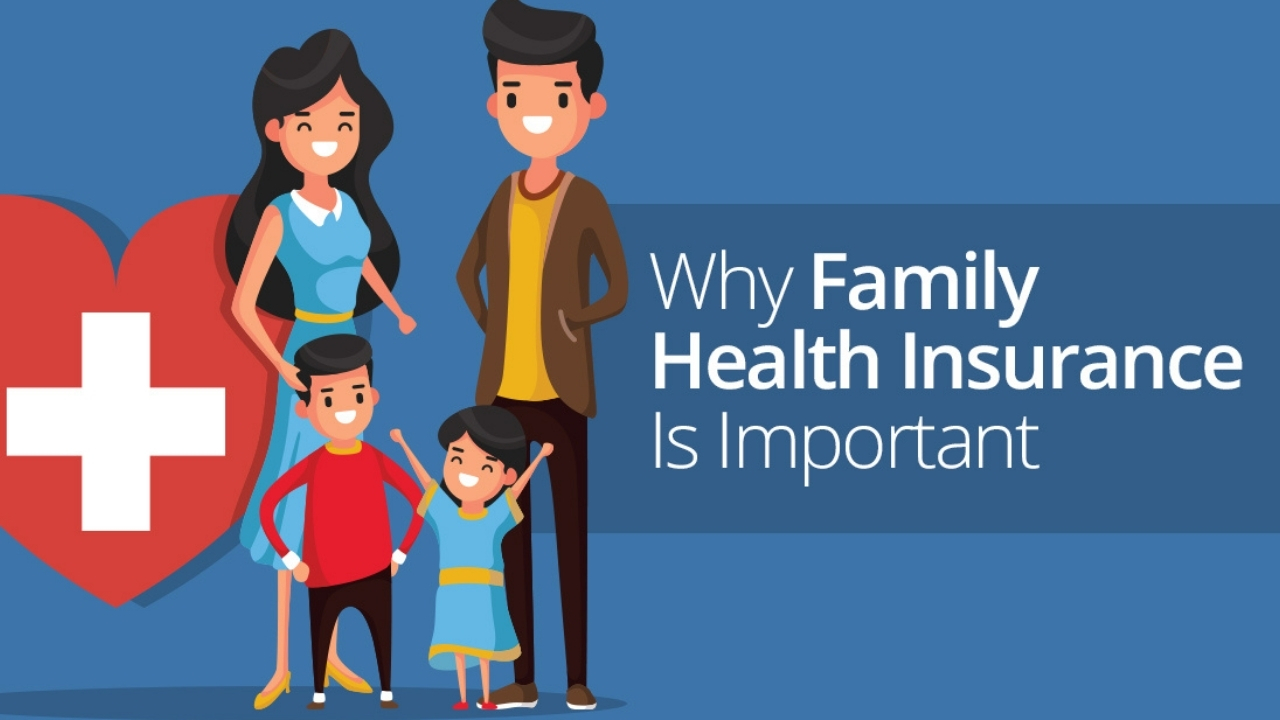
Affordable health insurance for families is a crucial aspect of securing both health and financial stability for loved ones. In an age where medical expenses can be unpredictable and burdensome, understanding how to navigate the options available can lead to significant savings and peace of mind.
This overview delves into the importance of affordable health insurance, examining various plans that cater specifically to families, and highlighting their benefits. It addresses not only the financial implications but also the necessity of comprehensive coverage to ensure that families receive timely and appropriate medical care.
In today’s fast-paced and interconnected world, the importance of effective communication cannot be overstated. With the rise of digital technology and social media, the way we interact with one another has evolved dramatically. This article aims to explore the various facets of communication, its significance in both personal and professional settings, and tips for improving one’s communication skills.To begin with, communication is fundamentally the process of exchanging information, ideas, and feelings between individuals or groups.
It encompasses verbal, non-verbal, and written forms, each playing a crucial role in how we convey our messages and understand others. Effective communication is essential for building relationships, fostering collaboration, and achieving success in various endeavors.In personal relationships, communication serves as the backbone that holds connections together. Whether it is between family members, friends, or romantic partners, the ability to express oneself clearly and listen actively is vital.

Misunderstandings often arise from poor communication, leading to conflicts and strained relationships. Therefore, it is paramount to cultivate good communication habits, such as being open and honest, practicing active listening, and showing empathy towards others.In professional settings, effective communication is equally important, if not more so. A workplace thrives on collaboration, where team members must share ideas, provide feedback, and work towards common goals.
Clear communication can enhance productivity, reduce errors, and improve morale. For instance, when managers provide clear instructions and expectations, employees are more likely to perform their tasks efficiently. Additionally, creating an environment where employees feel comfortable voicing their opinions fosters innovation and creativity.Furthermore, in this digital age, written communication has become increasingly prevalent. Emails, reports, and messaging platforms are commonly used to convey information.
It is crucial to be mindful of tone, clarity, and language when communicating through written mediums. Misinterpretation can easily occur without the non-verbal cues present in face-to-face interactions. Therefore, taking the extra time to proofread and ensure clarity in written communication can significantly improve the effectiveness of the message being conveyed.To enhance communication skills, one must be willing to learn and adapt.
Here are several tips for improving communication in both personal and professional spheres:
1. Practice Active Listening
Listening is just as important as speaking. Active listening involves fully focusing on the speaker, understanding their message, and responding thoughtfully. This not only shows respect but also fosters a deeper understanding of the conversation.
2. Be Clear and Concise
When conveying messages, clarity is key. Avoid using jargon or overly complicated language that might confuse the recipient. Aim for simplicity and directness to ensure your message is understood.
3. Non-Verbal Communication
Body language, facial expressions, and eye contact all contribute to how messages are perceived. Being aware of your non-verbal cues and those of others can enhance understanding and convey confidence.
4. Empathy and Understanding
Try to put yourself in the other person’s shoes. Understanding their perspective can improve how you communicate and help you respond in a more compassionate and effective manner.
5. Provide Constructive Feedback
Feedback is an integral part of communication, especially in professional settings. Ensure that your feedback is constructive, focusing on specific behaviors rather than personal attributes, and always aim to be helpful rather than critical.
6. Adapt to Your Audience
Different situations and audiences may require different communication styles. Being adaptable in your approach allows you to connect more effectively with others, whether in a formal presentation or a casual conversation.
7. Seek Clarity When Needed
If you are unsure about a message you received, do not hesitate to ask for clarification. It is better to seek understanding than to make assumptions that could lead to misunderstandings.
8. Engage in Regular Practice
Like any skill, communication improves with practice. Engage in conversations, participate in public speaking, or join groups that encourage dialogue to sharpen your skills continually.In conclusion, effective communication is a vital skill that influences every aspect of our lives. Whether in personal relationships or professional environments, the ability to express oneself clearly and listen actively fosters understanding and collaboration.
By practicing active listening, being clear and concise, and enhancing our non-verbal communication, we can significantly improve our interactions. Furthermore, approaching conversations with empathy and adaptability allows us to connect meaningfully with others. As we navigate an increasingly complex world, honing our communication skills will undoubtedly pave the way for more fruitful relationships and successful endeavors.
Essential Questionnaire
What is the average cost of family health insurance?
The average cost can vary widely based on location, coverage level, and family size, but families can expect to pay anywhere from $400 to $1,200 per month.
Are there government programs to help with health insurance costs?
Yes, programs such as Medicaid and the Children’s Health Insurance Program (CHIP) provide assistance for eligible families to help reduce healthcare costs.

How can I find the best health insurance plan for my family?
Comparing plans through online marketplaces, seeking advice from insurance agents, and evaluating coverage options based on your family’s specific needs can help you find the best plan.
What factors should I consider when choosing a plan?
Consider premiums, deductibles, co-pays, provider networks, and coverage for specific services such as prescriptions, preventive care, and specialist visits.
Can I switch plans during the year?
Generally, you can only switch plans during the open enrollment period or if you experience a qualifying life event, such as marriage or the birth of a child.